

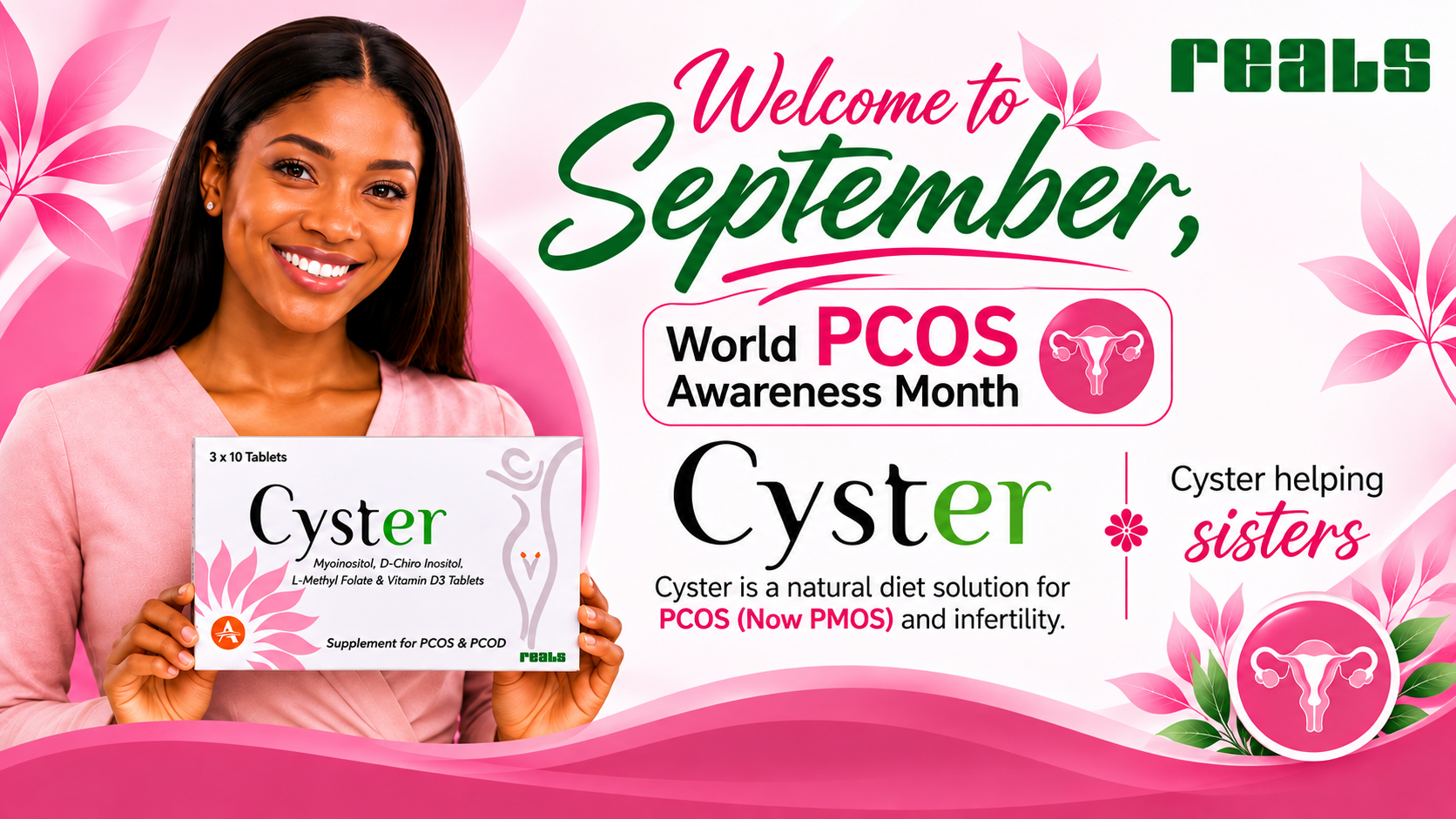
September is World PCOS Awareness Month, a time dedicated to increasing awareness and understanding of Polycystic Ovary Syndrome (PCOS), encouraging women to pay attention to their symptoms, and promoting better access to diagnosis, care and support.
What Is PCOS?
Polycystic Ovary Syndrome is a common hormonal and metabolic condition that can affect women during their reproductive years and beyond. According to the World Health Organization (WHO), PCOS affects an estimated 10–13% of women of reproductive age worldwide, while as many as 70% of affected women may not know they have the condition.
PCOS can affect women differently. Common symptoms may include irregular or absent periods, abnormal ovulation, acne, excessive facial or body hair, hair thinning and difficulty conceiving. It is also one of the leading causes of infertility associated with problems with ovulation.
Importantly, having PCOS does not mean a woman cannot become pregnant. With appropriate medical care and management, fertility can often be improved, depending on the individual circumstances.
PCOS Is Now Also Referred to as PMOS
You may increasingly come across the term PMOS — Polyendocrine Metabolic Ovarian Syndrome — in conversations about the condition. The terminology reflects the broader hormonal and metabolic nature of what was traditionally called PCOS. WHO’s current health information also uses the term polyendocrine metabolic ovarian syndrome, previously known as PCOS.
As the terminology evolves, the important message remains the same: women experiencing persistent menstrual irregularities, hormonal symptoms or fertility challenges deserve appropriate evaluation and support.
Why PCOS Awareness Matters
PCOS is more than an issue of irregular periods. It can have physical, reproductive and emotional effects and is associated with an increased risk of conditions such as insulin resistance, type 2 diabetes, obesity and cardiovascular problems.
Greater awareness can encourage women to recognise symptoms earlier and seek professional guidance rather than dismissing changes in their bodies as something they simply have to live with.
While there is currently no cure for PCOS, symptoms and fertility-related challenges can be managed through appropriate lifestyle measures, medicines and fertility treatments where necessary.
Cyster: Supporting Women with PCOS/PMOS
Cyster supports women dealing with PCOS/PMOS, as well as ladies experiencing hormonal imbalance and infertility challenges.
Cyster is part of Reals’ focus on women’s health, providing support for women who may be navigating hormonal and reproductive health concerns.
Cyster contains Myoinositol, D-Chiroinositol, L-methylfolate and Vitamin D3, a superb formulation for the management of PCOS/PMOS.
However, because symptoms and their underlying causes can vary from woman to woman, anyone experiencing persistent menstrual changes, hormonal symptoms or difficulty conceiving should consult a qualified healthcare professional for proper assessment and personalised care.
This September, Let’s Talk About PCOS/PMOS
World PCOS Awareness Month is an opportunity to break the silence, share accurate information and encourage women to take their health seriously.
Your period, hormones and fertility are important parts of your overall health. If something doesn’t feel right, don’t ignore it. Ask questions. Seek professional guidance. Get informed.
And for women navigating PCOS/PMOS, hormonal imbalance or fertility challenges, remember that support is available.
Need More Information About Cyster?
For enquiries about Cyster and Reals Pharmaceutical Limited’s women’s health solutions, reach out:
📞 08023190505 | 07063882912
📧 reals@realsgroup.com
This September, let’s move beyond awareness to understanding, support and action.


